
Introduction to Eco-Conscious Fashion
As we move through 2026, the fashion industry continues to witness a significant shift towards eco-consciousness. Emerging from previous years’ discussions on sustainability, brands are now stepping up to lead the charge in ethical fashion. This article delves into the key trends, notable brands, and consumer behavior driving this transformation.
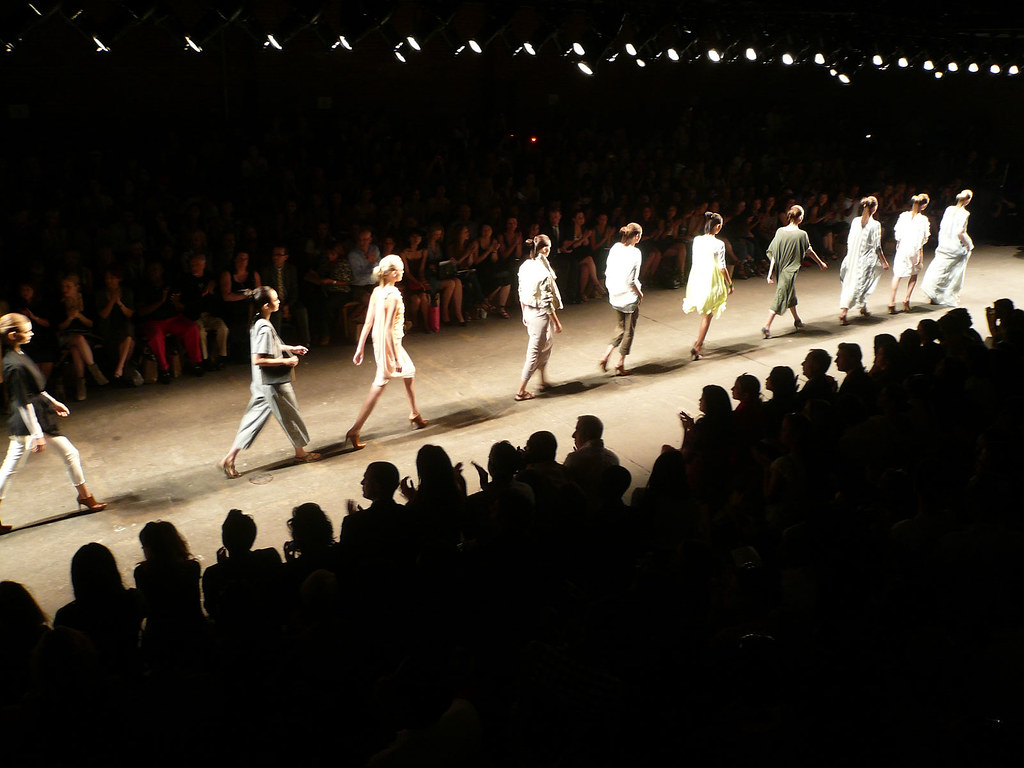
The Importance of Ethical Fashion
Fashion is no longer just about aesthetics; it now encompasses responsibility and awareness. Ethical fashion addresses the environmental and social impacts of clothing production. Here are some compelling reasons why this movement is gaining traction:
- Environmental Impact: Fast fashion has led to severe environmental degradation. Eco-conscious brands aim to minimize waste and reduce carbon footprints.
- Social Responsibility: Consumers are increasingly aware of labor practices involved in garment production. Ethical brands often prioritize fair wages and safe working conditions.
- Consumer Demand: Shoppers today prefer brands that align with their values, leading to a demand for transparency in sourcing and production.
Notable Eco-Conscious Brands in 2026
Numerous brands have emerged or evolved to meet the growing demand for ethical fashion. Here are some noteworthy players in the eco-conscious fashion landscape:
- Reformation: Known for its stylish offerings, Reformation prioritizes sustainable materials and responsible production processes.
- Patagonia: A pioneer in sustainable outdoor wear, Patagonia continues to innovate while promoting repair and reuse to extend product life.
- Everlane: With its commitment to radical transparency, Everlane provides insight into its factories and production costs, allowing consumers to make informed choices.
- Allbirds: This footwear brand utilizes sustainable materials like merino wool and eucalyptus tree fibers, setting new standards in shoe production.
Emerging Designers Focused on Sustainability
Alongside established brands, a new wave of emerging designers is shaping the future of sustainable fashion. These designers are committed to eco-friendly materials, unique designs, and small-batch production. For example:
- Marine Serre: Blending sustainability with high fashion, Serre incorporates upcycled materials into her designs, creating pieces that celebrate both style and environmental consciousness.
- Christy Dawn: This brand specializes in vintage-inspired dresses made from deadstock fabrics, ensuring that each piece is both timeless and eco-friendly.
Consumer Behavior Shifts in 2026
As environmental awareness becomes more prevalent, consumer behavior is significantly shifting. Here are some trends observed in 2026:
- Investment in Quality: Shoppers are choosing to invest in fewer, higher-quality pieces rather than multiple fast fashion items. This shift fosters a culture of quality over quantity.
- Second-Hand Shopping: The popularity of thrift shopping and online resale platforms has skyrocketed, making pre-owned fashion a viable and stylish option.
- Support for Local Brands: Many consumers are favoring local artisans and brands, reducing their carbon footprint and supporting community economies.
The Role of Technology in Eco-Conscious Fashion
Technology plays a crucial role in the evolution of sustainable fashion. As innovation progresses, brands are leveraging technology to enhance their eco-friendly initiatives:
- Smart Fabrics: Advances in textile technology are leading to the creation of sustainable fabrics that are not just biodegradable but also functional.
- Blockchain Transparency: Some brands are employing blockchain technology to provide a transparent supply chain, allowing consumers to trace the origins of their clothing.
- 3D Printing: This technology reduces fabric waste and allows for customized clothing that fits individual needs, making it a focal point in the future of fashion.
The Fashion Cycle: Adapting to Change
As the eco-conscious fashion movement continues to grow, the fashion cycle itself is evolving. Traditional seasonal collections are being challenged by the demand for sustainability:
- Seasonless Collections: Brands are moving towards creating timeless pieces that can be worn year-round, reducing the urgency of seasonal shopping.
- Capsule Wardrobes: The rise of capsule collections encourages consumers to invest in versatile pieces that can be mixed and matched, promoting sustainable fashion choices.
Conclusion: The Future of Eco-Conscious Fashion
As we navigate through 2026, eco-conscious fashion is not just a trend; it’s a movement reshaping the industry. With a growing number of brands prioritizing sustainability and a shift in consumer behavior towards ethical choices, the future looks promising for responsible fashion. The journey towards a more sustainable and ethical fashion landscape is ongoing, and with continued awareness and innovation, we can all play a part in this positive change.
