The Changing Landscape of Fashion in 2026
As we step into the latter part of 2026, the fashion industry continues to evolve at a remarkable pace. With technology, societal shifts, and environmental concerns at the forefront, fashion is not just about clothing; it’s about identity, responsibility, and innovation. This article explores how fashion is adapting to the demands of today’s world.
1. Fashion Through the Lens of Identity
In 2026, fashion is increasingly viewed as a medium for personal and cultural identity. Consumers are no longer satisfied with simply following trends; they want their clothing choices to reflect their values and beliefs.
1.1 The Importance of Individual Expression
With the rise of self-identity movements, individuals are embracing styles that resonate with their personality. This shift is evident in the diversity of trends available:
- Customizable Apparel: Brands are offering options to personalize items, allowing consumers to stand out.
- Gender-Inclusive Fashion: More labels are releasing unisex collections, promoting inclusivity.
- Artistic Collaborations: Artists from various backgrounds are partnering with fashion houses to create unique pieces that tell a story.
1.2 The Role of Community and Collaboration
Fashion is also becoming communal. Local designers are gaining traction as shoppers seek to support their communities. Pop-up shops and community-driven fashion events are trending, creating a sense of belonging.
2. The Influence of Technology on Fashion
As we look into 2026, technology’s role in fashion continues to be transformative. With advancements in augmented reality (AR) and virtual reality (VR), the shopping experience has been redefined.
2.1 Virtual Fitting Rooms
Many brands now offer virtual fitting rooms where customers can try on clothes digitally before making a purchase. This innovation reduces return rates and improves customer satisfaction:
- Convenience: Shoppers can try on multiple outfits from the comfort of their homes.
- Body Positivity: Virtual fitting rooms promote body positivity by providing a diverse range of sizes in a digital format.
2.2 Fashion Design 2.0
Technology is also changing how designers create clothing. 3D printing and AI tools are revolutionizing design processes, allowing for rapid prototyping and more sustainable practices:
- 3D Printing: Enables designers to create intricate patterns and reduce fabric waste.
- AI Design Tools: Help predict trends based on data analysis, making it easier for brands to stay ahead.
3. Ethical Fashion Choices
As consumers grow more eco-conscious, the demand for ethical fashion choices has skyrocketed. In 2026, transparency in sourcing and production is no longer an option; it’s a necessity.
3.1 Conscious Consumerism
Shoppers are increasingly researching brands before buying, favoring those that demonstrate ethical practices:
- Transparency: Brands that provide insights into their supply chain are rewarded with consumer loyalty.
- Second-Hand Shopping: Thrift stores and online resale platforms are booming as sustainability becomes a priority.
3.2 Innovative Materials
Fashion companies are also exploring new materials that minimize environmental impact:
- Recycled Fabrics: Using recycled plastic and textiles reduces waste.
- Biodegradable Materials: Brands are investing in bio-fabric innovations that decompose naturally.
4. Key Trends to Watch in 2026
Several exciting trends are shaping 2026 fashion:
4.1 Athleisure Evolution
The athleisure trend is evolving to include more tailored and sophisticated designs, making casual wear suitable for a variety of occasions.
4.2 Bold Aesthetic Choices
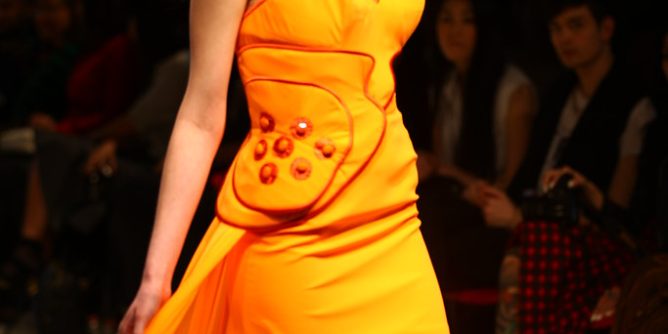
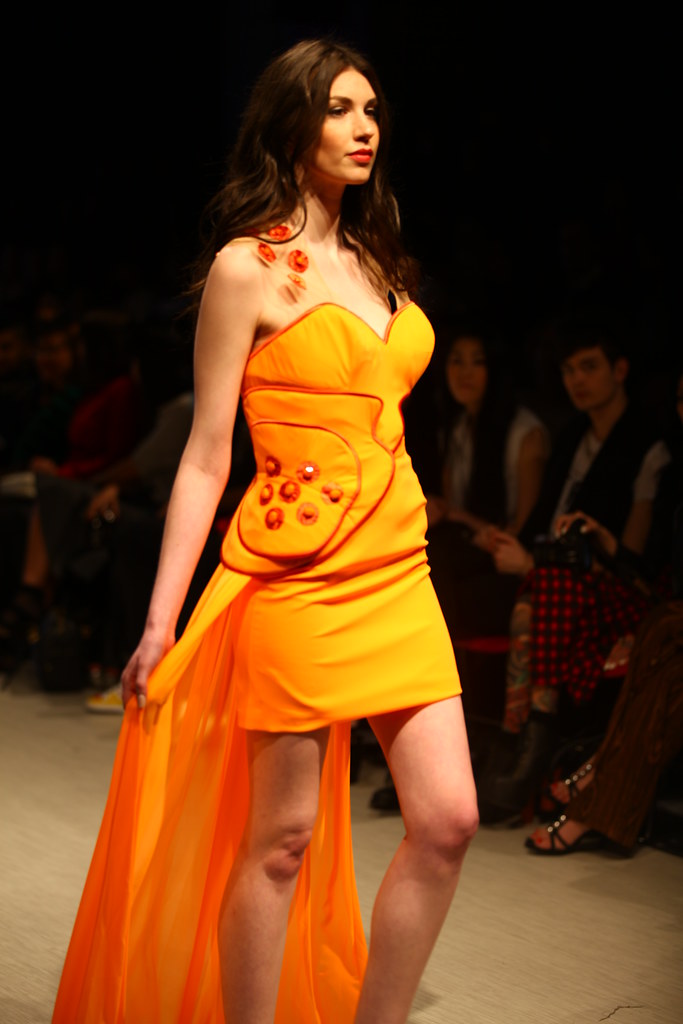
Fashion in 2026 celebrates bold colors and patterns. Bright, eye-catching hues are making a statement, pushing boundaries on conventional color palettes.
4.3 Tech-Infused Fashion
Wearable technology continues to blend seamlessly with everyday clothing. From smart fabrics that monitor health to garments that change color based on mood, the future of fashion is interwoven with technology.
5. Conclusion: Embracing Change in Fashion
As we navigate through 2026, fashion stands as a reflection of our society’s values and innovations. The way we dress has become a powerful statement of who we are and what we believe. By embracing individual expression, ethical practices, and technological advancements, the fashion industry is not only keeping pace with change but also setting the stage for a more inclusive and sustainable future.
