
Introduction to the New Era of Fashion Weeks
As we step into 2026, the fashion industry is undergoing a monumental transformation, particularly in how we experience fashion weeks around the globe. With digital innovation taking center stage, traditional runway shows are evolving to meet the demands of a tech-savvy audience. This article explores the latest trends and technologies that are redefining fashion weeks, making them more accessible, engaging, and interactive.
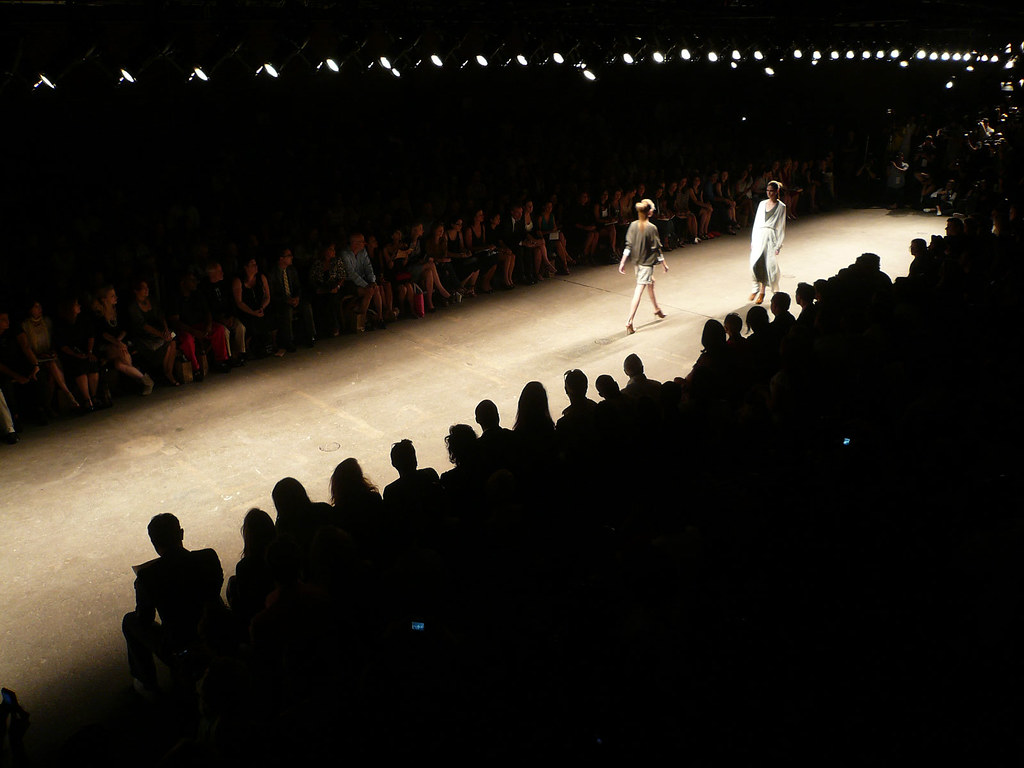
The Shift to Hybrid Fashion Shows
The pandemic of 2020 pushed many fashion houses to adopt digital formats for their shows, and this trend has only intensified in the years since. Today, major fashion weeks are embracing a hybrid model that blends in-person events with virtual experiences, allowing a global audience to participate.
Benefits of Hybrid Fashion Shows
- Accessibility: No longer limited by geographical boundaries, fashion lovers worldwide can tune in to live-streamed shows.
- Engagement: Brands can interact with viewers through real-time polls, Q&A sessions, and social media integration.
- Diverse Perspectives: Designers can showcase their collections to a more diverse audience, fostering inclusivity and creativity.
Virtual Reality and Augmented Reality Experiences
Virtual reality (VR) and augmented reality (AR) are making significant inroads into the fashion industry, transforming how we experience runway shows. These technologies allow viewers to immerse themselves in the fashion world like never before.
How VR and AR Enhance Fashion Shows
- Immersive Experiences: Attendees can use VR headsets to feel as if they are sitting front row at a show, even from their living rooms.
- Interactive Features: AR apps enable users to see how a garment would look on them before purchasing, bridging the gap between online shopping and the runway experience.
Social Media’s Role in Fashion Week Evolution
Social media platforms have become integral to fashion weeks, with brands leveraging these channels to create buzz and engage with audiences in real-time. The interaction between designers and fans is more immediate than ever.
Key Social Media Trends at Fashion Weeks
- Live Coverage: Influencers and fashion enthusiasts broadcast shows live, providing instant feedback and commentary.
- User-Generated Content: Brands encourage fans to share their own takes on collections, fostering a sense of community and collaboration.
The Rise of Sustainability in Fashion Weeks
As sustainability continues to be a significant focus in the fashion world, fashion weeks are responding by showcasing eco-friendly designs and practices. This shift not only highlights the importance of sustainability but also resonates with conscious consumers.
Sustainable Initiatives at Fashion Weeks
- Highlighting Eco-Friendly Designers: More fashion weeks are dedicating slots to designers who prioritize sustainable materials and practices.
- Zero-Waste Shows: Innovative approaches are emerging, such as creating shows that utilize recycled materials for set designs.
Conclusion: The Future Looks Bright
As we look forward to future fashion weeks, the integration of digital innovation, sustainability, and enhanced audience engagement promises a reimagined runway experience. The evolution of fashion weeks in 2026 marks a new chapter in the fashion industry, one that embraces technology while remaining deeply connected to its roots.
